What is Diabetes
Let us first understand the facts, and then we may seak the cause.
-Aristotle
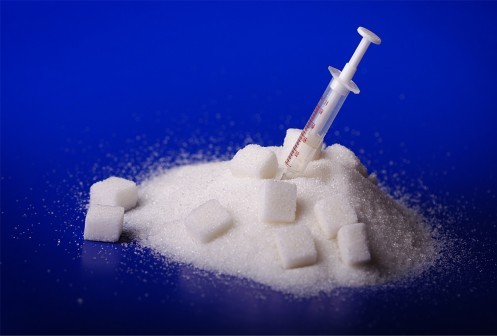
25.8 Million Children and Adults in the United States—8.3% of the Population—have Diabetes.
If your body produces little or no insulin (insulin helps cells absorb sugar for energy), sugar builds up in your blood and urine, causing excessive urination, thirst, hunger, and digestion problems, which interferes with cellular function. These symptoms are called diabetes.
Remember, Any of the physical signs and symptoms below can lead to mental health challenges, for more information on Diabetes and mental health, click here.
Type 1 Diabetes
Type 1 diabetes, also called insulin-dependent diabetes mellitus (IDDM) or juvenile onset diabetes, develops when the body's immune system destroys pancreatic beta cells, the only cells in the body that make the hormone insulin that regulates blood glucose; insulin is essential for converting the food that we eat into energy. Type 1 Diabetics must take daily insulin injections, but insulin is not a cure. Symptoms of Type 1 diabetes usually appear suddenly in children and young adults, although disease onset can occur at any age.
Symptoms:
Frequent urination - particularly at night
Frequent hunger or thirst
Frequently feeling tired and drowsy
Excessive Irritability
Unexpectedly losing weight
Type 2 Diabetes
In Type 2 diabetes, also called adult-onset diabetes, the body does not use insulin properly, it does not balance insulin production and your body cells cannot use insulin efficiently. The symptoms develop slowly, and may not be diagnosed quickly enough. About 9 out of 10 diabetics have Type 2 diabetes. This usually starts after the age of 45, although the incidence of the disease in younger people is growing
When a body does not use insulin properly or does not produce sufficient insulin, body cells stop allowing sugar to enter, reducing cellular energy, in turn reducing the overall amount of energy we feel. When levels of glucose and insulin in the blood become severely unbalanced, the outcome is usually weight gain and ultimately, Type 2 diabetes.
Symptoms:
Any of those listed above
Tingling or numbness in hands or feet
Recurring or hard-to-heal skin, gum or bladder infections
Blurred vision
Itching
High Blood Glucose
(hyperglycemia) occurs when blood glucose levels get too high, due to the body getting too little insulin or too much food.
Symptoms include, excessive thirst, fatigue, frequent urination, dehydration and weight loss.
Treatment consists of checking blood sugars, giving insulin and exercise.
If left untreated, high blood sugar can develop into Ketoacidosis, which is very high levels of ketones in the blood and urine, and can be life threatening. Symptoms of Ketoacidosis are vomiting, abdominal pain, fruity smelling breath and dehydration. Check with your doctor immediately if you have Ketones.
Low Blood Glucose
(hypoglycemia occurs when blood glucose levels get too low due to the body getting too much insulin or too little food.
Symptoms include trembling, hunger, dizziness, irritability, clumsiness and sweating.
Treatment consists of checking blood sugar and eating fast acting carbohydrates, such as juice, sugar cubes or hard candy, followed by a snack of cheese or peanut butter and crackers (carbohydrates and protein together).
These are only general facts about Diabetes, and an idea of what you or your loved one may be experiencing. Remember, every person is unique, and may or may not experience these symptoms and/or reactions to treatments.
If you are experiencing any of the above the symptoms, call your doctor or Endocrinologist immediately.
Contact Denver Diabetes Counseling Today...
Phone: 720-420-6541
Email: jenna@denverdiabetescounseling.com
|
 |